Care Guide
Alocasia Care Guide: Everything You Need to Know to Grow Healthy Elephant Ear Plants
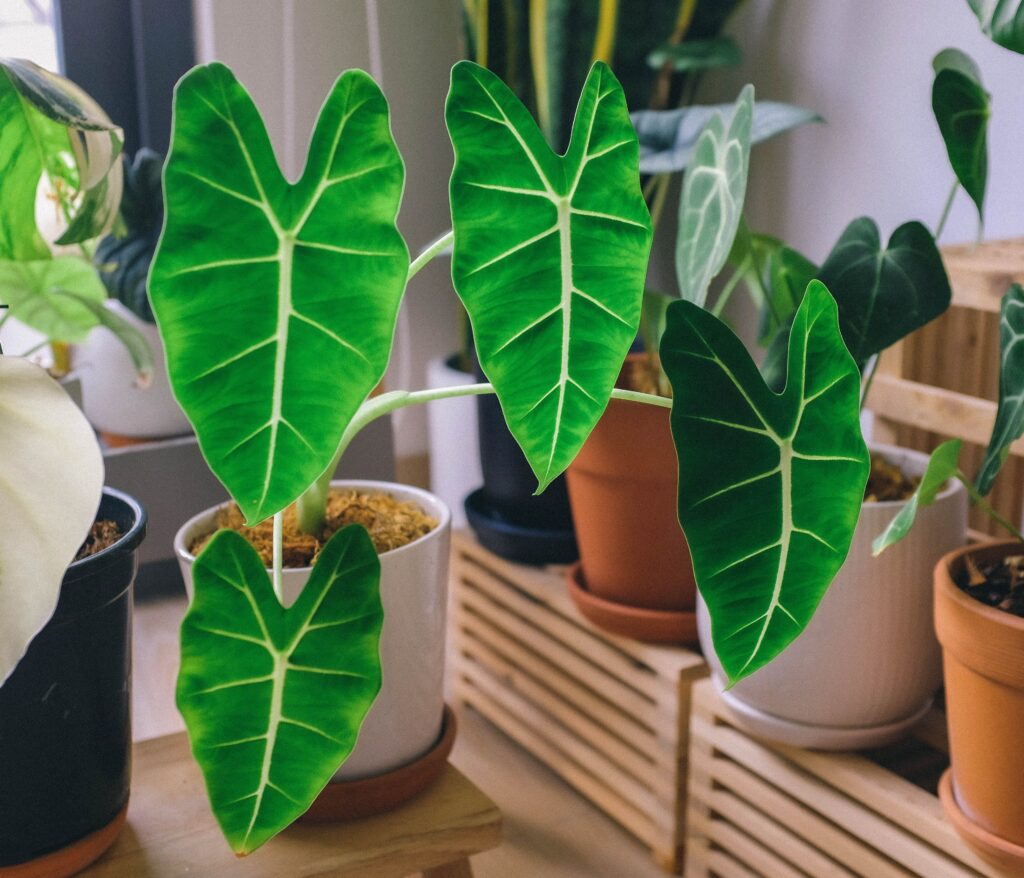
Alocasias are some of the most striking houseplants you can grow. Their dramatic leaves, bold veins, and unique textures make them favorites among plant collectors. From the metallic shine of Silver Dragon to the velvety foliage of Frydek and the massive leaves of Regal Shield, there’s an Alocasia for nearly every plant lover.
While Alocasias have a reputation for being difficult, they’re much easier to grow once you understand what they need. Most problems come from inconsistent watering, poor lighting, or low humidity rather than the plant being inherently difficult.
With the right conditions, Alocasias can produce beautiful new leaves throughout the growing season and become stunning centerpieces in your home.
Light Requirements
Alocasias thrive in bright, indirect light.
In their natural habitat, they grow beneath the canopy of tropical forests where they receive filtered sunlight throughout the day. Indoors, placing them near an east-facing window or a few feet back from a bright south- or west-facing window usually provides ideal lighting.
Too little light often results in slower growth, smaller leaves, and leggy stems.
Too much direct afternoon sun can scorch the leaves, especially on velvety varieties like Alocasia Frydek.
If your Alocasia begins leaning toward the window, rotate the pot every week or two to encourage even growth.
Watering
Proper watering is the most important part of Alocasia care.
Unlike succulents, Alocasias prefer consistently moist soil, but they should never sit in water.
Allow the top inch or two of soil to dry before watering again. When you do water, soak the soil thoroughly until water drains from the bottom of the pot, then empty any excess water from the saucer.
Avoid watering on a fixed schedule. Temperature, humidity, light levels, and pot size all affect how quickly the soil dries.
Overwatering is one of the most common reasons Alocasias decline indoors.
Humidity
One reason Alocasias are considered challenging is their love of humidity.
Most species prefer humidity levels above fifty percent, with sixty to seventy percent producing excellent growth.
If your home’s air is dry, especially during winter, you may notice brown leaf edges or slower growth.
There are several ways to increase humidity:
Run a humidifier nearby.
Group tropical plants together.
Grow the plant inside a well-ventilated plant cabinet.
Keep it away from heating vents and air conditioners.
While many Alocasias can adapt to average household humidity, higher humidity usually produces healthier leaves and faster growth.
Temperature
Alocasias prefer warm temperatures year-round.
Ideal temperatures range from about sixty-five to eighty-five degrees Fahrenheit.
Avoid exposing them to temperatures below sixty degrees for extended periods, as cool conditions may slow growth or trigger dormancy in some species.
Cold drafts from windows or air conditioning vents can also stress the plant.
Choosing the Right Soil
Alocasias need soil that holds moisture while still draining well.
Heavy garden soil or dense potting mixes often stay wet too long and reduce airflow around the roots.
A chunky, well-aerated mix works best.
A good recipe includes potting soil or compost, pine bark, perlite, and a moisture-retaining ingredient like peat moss or coco coir.
The goal is to create a mix that stays evenly moist while allowing oxygen to reach the roots.
Fertilizing
Because Alocasias grow quickly during the spring and summer, they benefit from regular feeding.
Use a balanced liquid houseplant fertilizer according to the manufacturer’s directions during the active growing season.
Reduce or stop fertilizing during winter if growth slows significantly.
Too much fertilizer can cause salt buildup and damage the roots, so more is not always better.
Dormancy
One feature that surprises many new owners is dormancy.
Some Alocasias naturally slow down or even lose most of their leaves during cooler months.
This doesn’t necessarily mean the plant is dying.
If your Alocasia enters dormancy, reduce watering while keeping the soil slightly moist, continue providing bright light, and wait patiently for new growth to emerge as temperatures and daylight increase.
Many healthy plants return with vigorous new growth in spring.
Repotting
Alocasias generally appreciate being repotted every one to two years.
Signs that it’s time include roots growing through drainage holes, water draining too quickly, or noticeably slower growth.
Choose a pot only one or two inches larger than the current container.
Moving into an oversized pot increases the amount of wet soil around the roots and raises the risk of root rot.
Always use a pot with drainage holes.
Common Problems
Yellow Leaves
One yellow leaf is not always a cause for concern.
Older leaves naturally die as the plant produces new ones.
However, multiple yellow leaves often indicate overwatering, poor drainage, or insufficient light.
Brown Leaf Edges
Brown edges usually result from low humidity, underwatering, inconsistent watering, or fertilizer buildup.
Increasing humidity and maintaining more consistent watering often solves the problem.
Drooping Leaves
Drooping may occur when the soil becomes either too dry or too wet.
Always check the soil before watering rather than assuming the plant needs more water.
Slow Growth
Slow growth is commonly caused by insufficient light, cool temperatures, or a lack of nutrients during the growing season.
Common Pests
Like many tropical houseplants, Alocasias can occasionally attract pests.
Spider mites are especially common in dry indoor environments.
They may also experience problems with thrips, aphids, or mealybugs.
Inspect both the tops and undersides of leaves regularly, especially when introducing a new plant into your collection.
Early treatment is much easier than controlling a large infestation.
Popular Alocasia Varieties
The Alocasia genus includes dozens of beautiful species and cultivars.
Some of the most popular include:
Alocasia Frydek, known for its velvety dark green leaves with bright white veins.
Alocasia Silver Dragon, featuring heavily textured silver foliage.
Alocasia Polly, a compact variety with dramatic arrow-shaped leaves.
Alocasia Dragon Scale, prized for its thick, textured leaves resembling reptile scales.
Alocasia Regal Shield, a large-growing variety with enormous dark green leaves.
Each variety has its own appearance, but their care requirements are remarkably similar.
Final Thoughts
Alocasias may seem intimidating at first, but they’re simply tropical plants that appreciate consistent care.
Provide bright indirect light, well-draining soil, moderate watering, warm temperatures, and higher humidity, and they’ll reward you with some of the most impressive foliage found in the houseplant world.
Once you learn to observe the soil rather than follow a watering schedule, most Alocasia care becomes surprisingly straightforward.
With patience and a little attention, these beautiful plants can become one of the highlights of your indoor collection.