Care Guide
How to Get Rid of Aphids on Houseplants: A Complete Guide
Few things are more frustrating than discovering tiny insects covering the leaves of a healthy houseplant. Aphids are one of the most common pests found on indoor and outdoor plants, and while they multiply quickly, they’re also one of the easiest pests to eliminate when caught early.
The key is acting quickly. A small colony can become hundreds of aphids in just a few weeks because many aphids reproduce without mating, allowing populations to grow rapidly.
Fortunately, with consistent treatment and regular inspections, most infestations can be eliminated before they cause serious damage.
What Are Aphids?
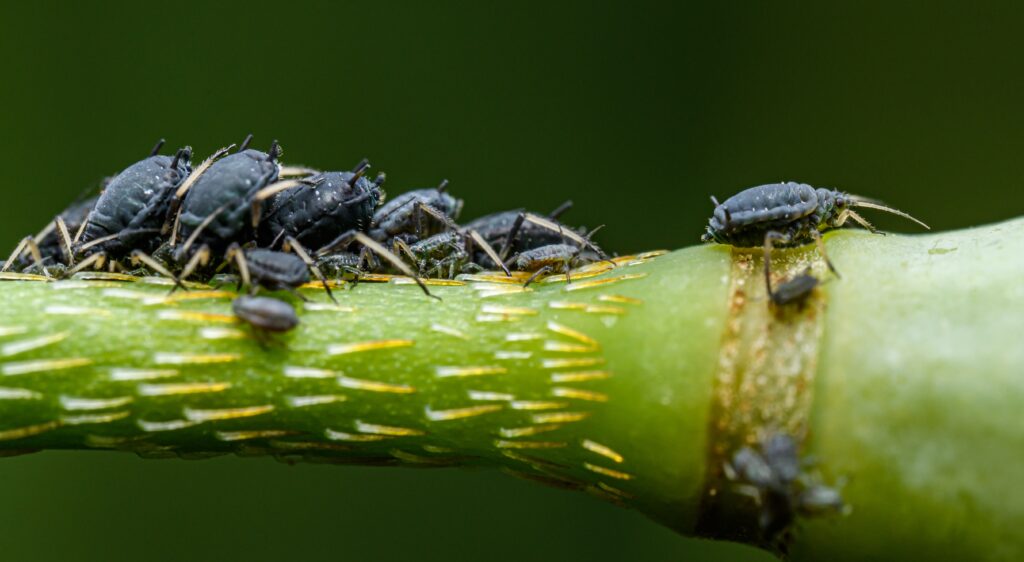
Aphids are tiny, soft-bodied insects that feed by piercing plant tissue and sucking out sap.
Most are about one to three millimeters long and may appear green, black, brown, yellow, white, gray, or even pink depending on the species.
They often gather in clusters on new growth, flower buds, stems, and the undersides of leaves where plant tissue is soft and easier to feed on.
How to Tell if Your Plant Has Aphids
One of the easiest ways to spot aphids is by looking closely at new growth.
Signs of an infestation include:
Small insects clustered together.
Curled or distorted new leaves.
Sticky residue on leaves or nearby furniture, known as honeydew.
Slow or distorted new growth.
Black sooty mold growing on sticky honeydew.
You may also notice ants. Ants are attracted to the sugary honeydew produced by aphids and sometimes protect aphid colonies from natural predators.
Why Aphids Are Harmful
A few aphids usually won’t kill a healthy houseplant.
However, large populations continuously remove nutrients from the plant, weakening new growth and causing leaves to curl, twist, or become deformed.
Some aphid species can also spread plant viruses, although this is more common in outdoor gardens than indoor collections.
Isolate the Plant First
As soon as you discover aphids, move the affected plant away from your other houseplants.
Although aphids don’t spread as quickly as some pests like spider mites or thrips, they can still move between nearby plants, especially when winged adults develop.
Keeping the plant isolated helps protect the rest of your collection while you begin treatment.
Step One: Remove as Many Aphids as Possible
Before reaching for insecticides, physically remove as many aphids as you can.
A gentle stream of water from a sink sprayer or shower often removes a large percentage of the insects.
For heavier infestations, you can also wipe leaves with a damp cloth or gently remove clusters by hand.
Reducing the population before spraying makes later treatments much more effective.
Treat with Insecticidal Soap
One of the safest and most effective treatments for houseplants is insecticidal soap.
Unlike systemic pesticides, insecticidal soap works by damaging the outer layer of soft-bodied insects.
It must directly contact the aphids to be effective, so thorough coverage is important.
Spray both the tops and undersides of every leaf, along with stems and growing tips where aphids like to hide.
Always follow the product label and avoid spraying plants sitting in direct sunlight.
Neem Oil
Neem oil is another popular option for treating aphids.
It works differently than insecticidal soap by interfering with feeding, development, and reproduction.
Neem can be effective, but because it works more slowly, it often requires multiple applications.
Many gardeners alternate between insecticidal soap and neem oil, although it’s generally best not to mix products together unless the manufacturer specifically recommends doing so.
Repeat Treatments
Many people spray once and assume the problem is solved.
Unfortunately, that’s rarely enough.
Small aphids or newly hatched insects can easily survive if they weren’t contacted during the first treatment.
Most insecticidal soap products recommend repeating treatments every several days until no aphids remain. Always follow the directions on the label of the product you’re using.
Continue inspecting the plant for at least two weeks after you believe the infestation is gone.
Check Nearby Plants
If one plant has aphids, inspect every nearby houseplant.
Pay special attention to tender new growth where aphids prefer feeding.
Catching a second infestation early is much easier than treating an entire collection later.
Avoid Overfertilizing
Fast-growing, nitrogen-rich new growth is especially attractive to aphids.
Using excessive fertilizer can encourage the production of soft new leaves that aphids prefer.
Feed your plants according to the fertilizer’s directions instead of assuming more fertilizer will produce healthier plants.
Prevent Future Infestations
While no plant collection is completely immune to pests, several habits greatly reduce the chances of future outbreaks.
Inspect every new plant before bringing it home.
Quarantine new plants for a week or two whenever possible.
Regularly examine new leaves and stems.
Keep plants healthy with proper watering and lighting.
Treat small infestations immediately before they become large ones.
When to Throw a Plant Away
In most cases, there’s no reason to discard a plant simply because it has aphids.
Even fairly heavy infestations can usually be controlled with repeated treatments and careful monitoring.
However, if a plant is severely damaged, repeatedly reinfests the rest of your collection, or treatment has failed after many attempts, removing the plant may sometimes be the most practical decision.
Fortunately, most indoor aphid infestations are much easier to eliminate than pests like thrips or spider mites.
Final Thoughts
Finding aphids on your favorite houseplant can be discouraging, but they’re one of the more manageable pests you’ll encounter.
Early detection, isolation, physical removal, and consistent treatment with insecticidal soap or neem oil are usually enough to eliminate an infestation.
The most important habit is making plant inspections part of your regular care routine. Spending a minute checking new leaves each week can help you catch pests before they become a serious problem.
With patience and consistent care, your plants can recover quickly and continue producing healthy new growth.